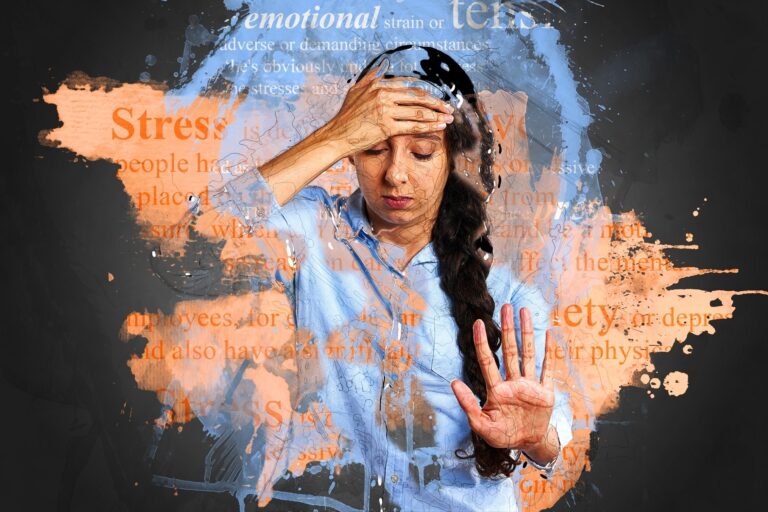
Over the past several decades I've watched a peculiar self-assessment take hold — not just among the people I treat, but across the culture. It is an anxious audit of whether one qualifies as a "victim." Society has taken up the project at scale, sorting entire groups into victims and oppressors as though psychological status were a fixed diagnosis rather than a story people tell about what happened to them. As a psychologist, I find this binary alarming — not because suffering isn't real, but because the label itself, once adopted, functions less like a description and more like a prognosis-a concerning prognosis.
Let’s use an example to examine how this works. Susan, a middle aged wife and mother I’ve been treating for over a year calls to schedule an emergency appointment. She comes into the office looking quite distraught. “Susan, what is happening”, I ask. Susan begins to cry and explains that she received confirmation yesterday from her doctor that some tests she’s had done indicate she has cancer. The doctor explained the treatment protocol and felt confident that her prognosis was good, although the treatment would be difficult and unpleasant.
As Susan talks, she becomes increasingly emotional. Certainly, she has just heard some very shocking and upsetting news and is struggling to digest it. The ramifications of a cancer diagnosis reach far and wide. She questions whether she will survive, she fears the treatment, how her family will handle it, what will her family’s and her life be like as she undergoes treatment and what life will be like afterwards. These are all valid concerns and healthy questions to explore.
Over the next several sessions, Susan’s distress is expanding and she is showing signs of depression. She has begun to ruminate on all of the negatives in her life. The difficult challenges she has experienced over the years begin to surface and are gathering together to form a conglomerate of misery. Susan tearfully questions “Why me? Why do these things always happen to me?” Susan becomes very entrenched in thinking about all of the negatives and has lost all connection with positive memories and thoughts. Susan has taken on the status of victim. This leaves her unavailable to do the healing therapeutic work that will facilitate her journey through treating her cancer.
Let’s compare this scenario to that of Ellen. Ellen is also a middle aged wife and mother who has been in therapy for a while. Ellen comes into her session, visibly distraught and shares a very similar story. She was just diagnosed with cancer and had a conversation with her doctor that was remarkably similar to Susan’s conversation with her doctor. As would be expected, Ellen ponders the same questions about the process of a cancer diagnosis for herself and her family, just as Susan did. But…Ellen said one thing that is very different and very significant. Ellen said “I would never want cancer. It is a terrifying diagnosis and I’m scared, but if cancer had to hit my family, I’m glad it was me and not my husband or children because I believe I would be best able to handle it”. And that’s when I knew Ellen had taken on the status of survivor.
Whether in an individual or a group, once the status of victimhood is embraced, the locus of control for getting better or feeling better exists outside of the self. This is because a victim is only a victim if there is an oppressor. The victim,therefore is destined to remain a victim until the oppressor has been eliminated or made impotent. Thus, healing is near to impossible unless the victim is willing to change their perceived status.
When an individual or a group identifies hardship as something they have encountered or have to overcome, that person or group has the power to heal. This distinguishes victim status from survivor status. While the offense or the crime may be identical in both cases, it is the self-proclaimed survivor who will more readily begin the journey toward healing and regaining agency and strength. The ability to progress lies within the self and is not externalized into an “other”.
The Jewish people who lived through the holocaust exemplify this understanding. Atrocities that transcended the most abominable imaginings were enacted upon a people. History tells us of the horrors, measured not only in numbers of deaths, but in starvation, torture, incarceration and much more. What do those who lived call themselves? Survivors. It is in the surviving that they find their strength.
Perhaps this perspective is what we, as therapists, need to help our patients embrace. When life brings troubles their way, focusing on how they can overcome and survive is the most potent path to healing. Let us seat the locus of control within the self and empower people to begin their journeys not as victims but as survivors.
The names and details about the patients do not represent any particular patient.