Change & Uncertainty
Change is an inevitable part of life, but uncertainty about what comes next can make even expected changes difficult to navigate. Understanding how we respond to uncertainty can help us recognize familiar patterns, consider new possibilities, and develop perspective as we move through periods when the path forward is not yet clear.
Related Transitions
Related Insights

Why It Matters to Recognize Perimenopause Early
Recognizing perimenopause early can help women understand emotional and physical changes, seek appropriate care, and prepare for the years ahead with greater confidence.

The Earliest Signs of Perimenopause
Most women expect changes in their periods to be the first sign of perimenopause. But shifts in mood, sleep, memory, and emotional reactivity may appear much earlier. Dr. Deborah Wagner explores the subtle signs women often overlook and why recognizing the pattern matters.

I’m Only 40, Why Are You Talking to Me About Perimenopause? Part 1
At 40, perimenopause may seem years away. Yet its earliest signs can be emotional rather than physical. Dr. Deborah Wagner explores why changes in mood, patience, and emotional reactions may signal the beginning of a transition many women don't yet recognize.

Is It Just My Life or Is It Perimenopause?
When life already feels complicated, the emotional changes of perimenopause can be difficult to recognize or separate from everyday stress. Understanding how hormonal changes and life circumstances can interact may help women make sense of what they are experiencing and respond with greater perspective.

The Emotional Reality of Perimenopause
Perimenopause can affect far more than the body, bringing emotional changes that may feel intense, unfamiliar, or difficult to understand. Recognizing how this transition can influence mood, relationships, confidence, and sense of self can help women better understand what they are experiencing.
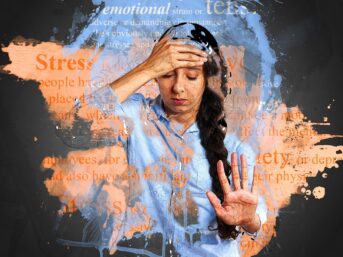
Why You Are Not Falling Apart
Emotional changes during perimenopause can feel unfamiliar, overwhelming, and difficult to explain. Understanding how hormonal shifts can influence mood, anxiety, confidence, and emotional well-being can help women make sense of what they are experiencing and approach this transition with greater perspective.
- 1
- 2
Psychologist | Author | Expert on Life's Transitions
Exploring how we understand, navigate, and integrate the changes and challenges that shape our lives.
EXPLORE
© 2026 Deborah Wagner, Ph.D. All rights reserved.