I want to tell you something that women reaching their mid-forties need to hear.
What you are experiencing has a name. It has a physiological explanation. And it does not mean you are falling apart.
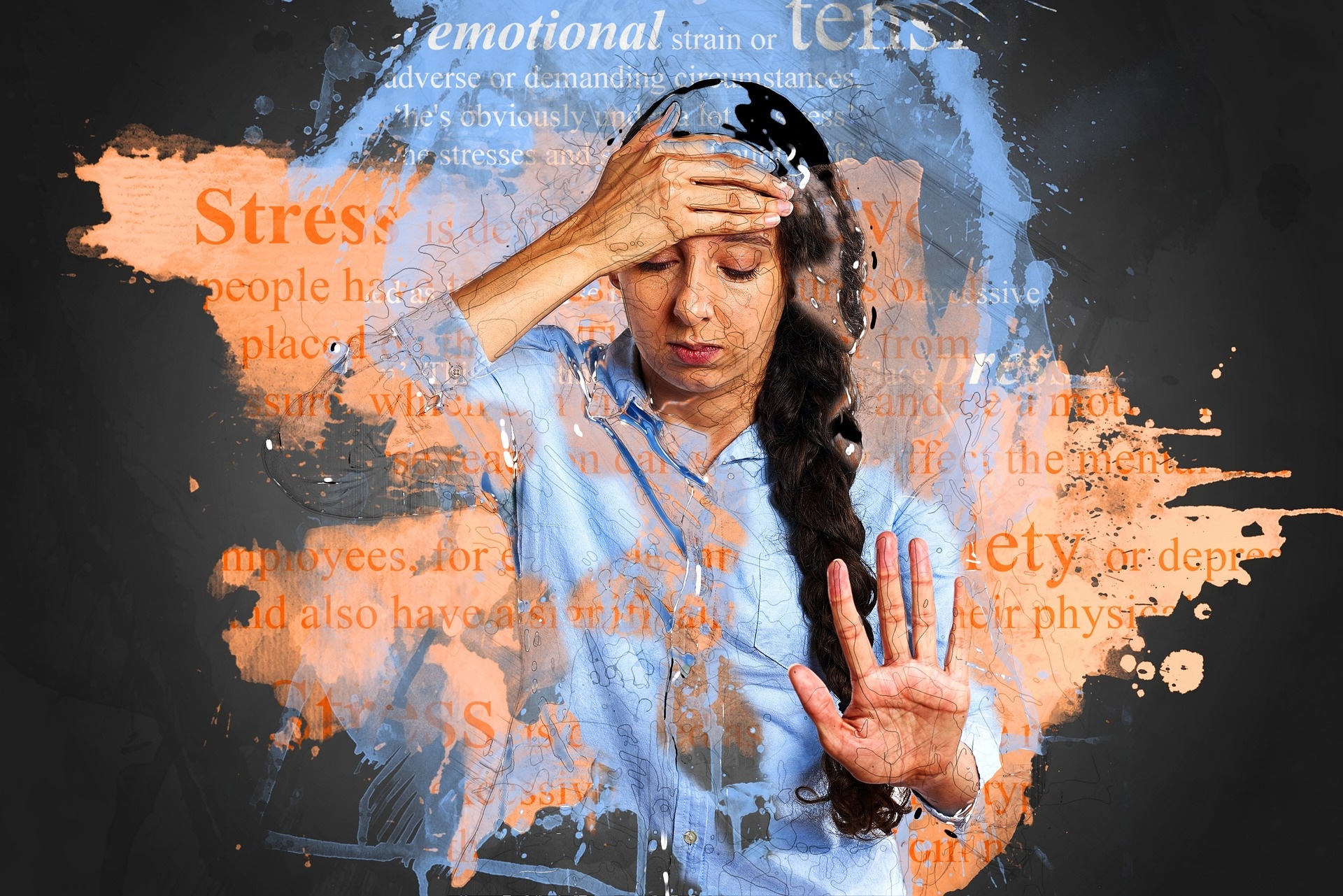
If you have been waking at three in the morning with your heart pounding and have no idea why. If you have been crying in the shower and telling yourself it is just stress. If you have been snapping at people you love and feeling afterward like a stranger to yourself — I want you to consider something. You may be responding to a profound hormonal transition that your body is moving through, without understanding that it was coming.
This is perimenopause. And its emotional impact is not a side effect. It is, for many women, the whole story.
What Is Actually Happening
Perimenopause can begin as early as the late thirties. Many people think of menopause as something that happens to “older” women-not knowing that there is a long prodromal phase that begins in younger women-called perimenopause. It can take ten or more years to complete. And what happens during that time is not a gentle, gradual decline in hormones — it is a turbulent, unpredictable oscillation. Estrogen levels swing wildly, sometimes within the same day. Progesterone, the hormone that tempers and steadies estrogen's effects, declines steadily throughout.
The brain is exquisitely sensitive to these fluctuations. Estrogen has significant effects on serotonin, dopamine, and the stress response system. When its levels shift erratically, the emotional consequences can be dramatic — anxiety that arrives without clear cause, depression that appears baseless, anger and irritation that is uncharacteristic and seems disproportionate to what triggered it.
And then there is sleep. Perimenopause is the great sleep disruptor — through night sweats, through the hyperarousal that comes with declining progesterone, through the anxiety that finds its way into angst-filled dreams at two in the morning. Sleep deprivation, in turn, makes the anxiety worse, deepens the depression, and erodes the capacity to cope with everything.
This is not weakness. It is not a “nervous breakdown”. This is neurochemistry.
The Cost of Suffering Without Context
What I have witnessed in my clinical work is that the physiological experience of perimenopause is multifaceted and challenging. But the suffering is substantially worsened when women don't understand what is causing it.
Most women do not know. They blame stress. They blame their marriages. They blame themselves. They conclude that something must be fundamentally wrong with them, because they cannot think of a reason to feel this bad. The absence of an explanation is not neutral — it becomes its own source of shame and fear.
You Do Not Have to Move Through This Alone
If this is resonating with you, there are things you can do — and people who can help.
The first step, in my experience, is understanding what is happening physiologically. That understanding is itself therapeutic. It transforms a frightening and inexplicable experience into something that has a name, a trajectory, and an end point.
The second step is building a care team that covers the full picture. No single provider sees all of perimenopause. A gynecologist, a psychologist, a psychiatrist if medication is warranted, and potentially an endocrinologist to evaluate thyroid function — which is frequently disrupted during this transition and frequently missed — can together offer the comprehensive support this transition deserves.
The third step is knowing your options. They are broader than many women realize. Mind-body practices — yoga, meditation, aerobic exercise, psychotherapy — have been proven to relieve many of the symptoms women experience. Acupuncture has been shown to reduce both the physical and psychological symptoms of perimenopause. Supplements including phytoestrogens, melatonin, and omega-3 fatty acids each address and manage specific symptoms. Dietary adjustments can reduce the frequency and severity of hot flashes. And for women with more problematic symptoms, bioidentical hormone therapy offers targeted relief from both the physiological and emotional disruptions of this transition.
The path through perimenopause is not the same for every woman. But there is always a path.
What Waits on the Other Side
I want to close with this, because it matters.
The storm of perimenopause is real. I will not minimize it. But it is not permanent. In my many years of clinical practice, I have watched women move through this transition and emerge — often to their own surprise — clearer, more grounded, and more themselves than they have felt in years.
There is a psychological stage I call Quietude that waits beyond the turbulence. It is not simply the absence of symptoms. It is, for many women, a genuine arrival — a period of greater self-knowledge, reduced anxiety, and a freedom from old roles and expectations that had been quietly exhausting them for decades.
This is where perimenopause ends.
If you are in the middle of the storm right now, I want you to know: there is a horizon. And you deserve every piece of understanding and support available to help you get there.