Loss & Letting Go
Loss can involve far more than the death of someone we love. We may also experience the loss of relationships, roles, abilities, expectations, opportunities, or a life we once imagined. Understanding loss and the process of letting go can help us acknowledge what has changed, make sense of what remains, and gradually incorporate the experience into the continuing story of our lives.
Related Transitions
Related Insights
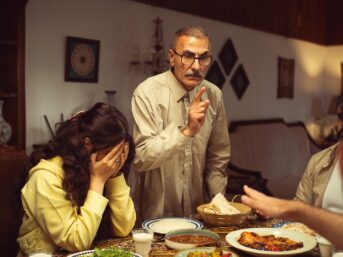
How Betrayal Evokes Life Transitions, Part lll: Betrayal in Family Relationships
Betrayal within a family can surface when aging parents, death, and inheritance disrupt long-established roles. Dr. Wagner explores how sibling rivalry, unresolved family dynamics, and questions of trust can transform relationships at a time when families are already vulnerable.

A Therapist’s Epiphany: A Psychological Construct
A therapist’s epiphany can emerge when a familiar psychological idea suddenly becomes personally meaningful. This reflection explores how psychological constructs move from abstract concepts to lived understanding, and how that shift can deepen perspective on ourselves and the experiences we are trying to make sense of.

How Betrayal Evokes Life Transitions Part ll
Betrayal can disrupt our understanding of a relationship, another person, and even ourselves. In Part II, Deborah Wagner explores the psychological process of navigating betrayal, making sense of what has changed, and beginning to integrate the experience into the larger framework of our lives.

How Betrayal Evokes Life Transitions Part l
Betrayal can disrupt trust, identity, relationships, and our understanding of the life we thought we were living. Deborah Wagner explores how discovering a betrayal can challenge deeply held assumptions and become the beginning of a profound and unexpected life transition.

The Stories We Tell Part 2
The stories we share near the end of life can become an intimate form of legacy. When families create space for those stories to emerge, they can discover experiences, emotions, and meaning that deepen how they know—and remember—the people they love.

The Stories We Tell Part 1
As life nears its end, telling our stories can preserve identity, meaning, and a sense of legacy. When those stories are heard and witnessed by the people we love, they affirm the life that was lived and what will remain.
- 1
- 2
Psychologist | Author | Expert on Life's Transitions
Exploring how we understand, navigate, and integrate the changes and challenges that shape our lives.
EXPLORE
© 2026 Deborah Wagner, Ph.D. All rights reserved.